
Questions
How to Tell If a Vet Is Scamming You: Real Signs & What to Do
Most vets are honest, but you can spot a scam by checking if they push unnecessary tests, avoid price estimates, or guilt-trip you. Ask for itemized quotes, seek a second opinion, and verify credentials with your state board.
How to Tell If a Vet Is Scamming You: The Real Signs
Worried your vet might be taking advantage? Here's a step-by-step way to evaluate your vet's recommendations and spot potential scams.
- Check for unnecessary procedures – A trustworthy vet explains why each test or treatment is needed. If they push expensive diagnostics without a clear reason, ask for the medical justification.
- Request an itemized estimate – Before any procedure, ask for a written breakdown of costs. Vets who hesitate or give vague answers may be hiding markups.
- Compare with a second opinion – Getting another vet's perspective is normal and smart. If the second vet disagrees significantly, that's a red flag.
- Look for guilt-tripping – A scamming vet might use fear or guilt to push you into expensive care. Honest vets respect your budget and explain options without pressure.
- Verify credentials – Check with your state veterinary medical board to confirm the vet's license is active and has no disciplinary actions.
- Trust your gut – If something feels off, it probably is. You have the right to walk away and seek care elsewhere.



Is Pet Insurance Worth It? How to Avoid a Pet Insurance Scam
Pet insurance can be a smart way to manage costs, but it's not for everyone. Here's what to consider before buying.
| Factor | Why It Matters | Typical Range |
|---|---|---|
| Monthly premium | Varies by species, breed, age, and coverage level | $20–$100+ per month |
| Deductible | Amount you pay before insurance kicks in | $100–$1,000+ per year |
| Reimbursement rate | Percentage of covered costs you get back | 70%–90% |
| Pre-existing conditions | Conditions present before enrollment are usually excluded | Not covered |
| Coverage limits | Annual or lifetime caps on payouts | $5,000–unlimited |
Most vets recommend insurance for young pets with no pre-existing conditions, but it's not a replacement for savings. Compare plans carefully and read the fine print.
How to Spot a Pet Scammer: Online and Phone Scams to Avoid
Scammers can impersonate vets, pet sitters, or even send fake emails to veterinary clinics. Here's how to protect yourself.
- Beware of unsolicited offers – If someone calls or emails offering pet services at a discount, verify their identity before sharing any information.
- Check for red flags – Scammers often pressure you to act fast, ask for payment via gift cards or wire transfer, and refuse to give references.
- Verify the vet's identity – If you're unsure, call the clinic directly using a phone number from their official website, not the one provided by the caller.
- Never give personal info – Don't share your pet's medical records or your financial details unless you're sure who you're dealing with.
- Report scams – If you encounter a scam, report it to the Federal Trade Commission and your state veterinary medical board.
How to Talk to Your Vet About Costs and Get a Second Opinion
You can discuss costs without damaging the relationship. Here's a practical approach.
- Ask for an estimate upfront – Say, "Can you give me a written estimate for today's visit?" This sets a clear expectation.
- Request a breakdown – Ask for itemized costs for each test or procedure. This helps you understand what you're paying for.
- Discuss alternatives – Ask, "Are there less expensive options that are still safe?" A good vet will offer choices.
- Get a second opinion – It's your right. Say, "I'd like to get a second opinion before proceeding." A reputable vet will support this.
- Be honest about your budget – Tell your vet what you can afford. They can tailor recommendations to your financial situation.
Directions to our veterinarian in La Mesa from Grossmont Center
Start at Grossmont Center and head to The Pet Hospital of La Mesa at 5336 Jackson Dr, La Mesa, CA 91942.
Red Flags That Your Vet May Be Ripping You Off
Here are concrete warning signs that a vet may be more interested in profit than your pet's health.
- Unnecessary tests – They recommend expensive diagnostics without a clear medical reason.
- Vague estimates – They avoid giving itemized prices or get defensive when you ask.
- Guilt-tripping – They make you feel like a bad pet owner if you question their recommendations.
- Pressure to act now – They push for immediate procedures without giving you time to think or seek a second opinion.
- Lack of transparency – They don't explain why a test is needed or what the results mean.
- Unwillingness to share records – They refuse to give you your pet's medical records or make it difficult.
What to Do If You Suspect Your Vet Scammed You
If you believe you've been scammed, take these steps to protect yourself and your pet.
- Gather your records – Collect all invoices, medical records, and communication with the vet.
- Request a second opinion – Have another vet review your pet's case to confirm if the treatment was necessary.
- Contact the state board – File a complaint with your state veterinary medical board. They can investigate and take disciplinary action if needed.
- Report to consumer agencies – File a complaint with the Federal Trade Commission or your local consumer protection office.
- Switch vets – Find a new veterinarian you trust. Ask for recommendations from friends, family, or local pet groups.
How to Find a Trustworthy Vet Near You
After a bad experience, finding a vet you can trust is crucial. Here's how to start.
- Ask for recommendations – Talk to neighbors, friends, or local pet groups in La Mesa, Spring Valley, or Lemon Grove.
- Check credentials – Verify the vet is licensed with the state veterinary medical board and has no disciplinary actions.
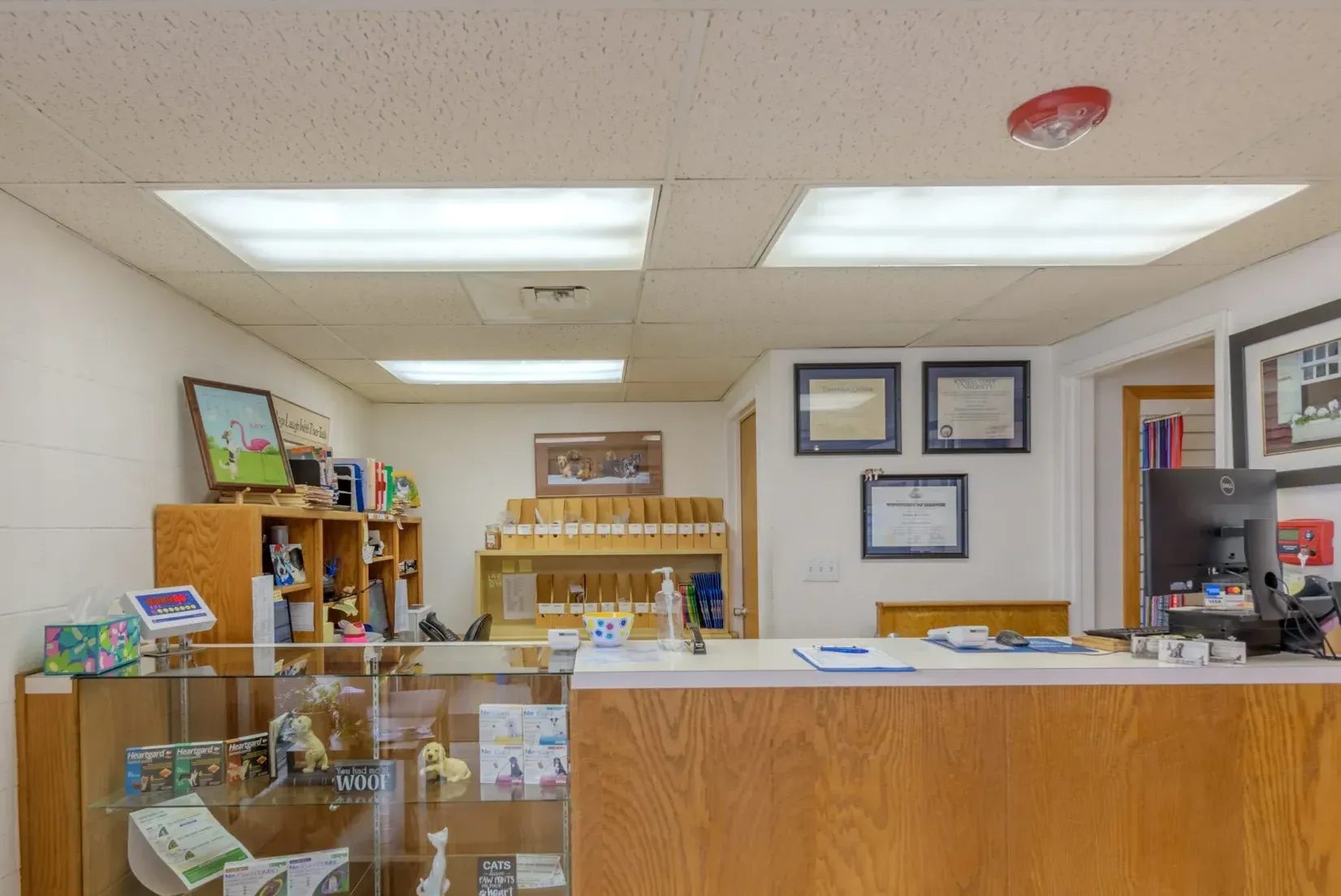
- Visit the clinic – A clean, organized clinic with friendly staff is a good sign. Check if they're open on Saturdays for convenience.
- Read reviews – Look for patterns in online reviews, but remember that a few negative reviews are normal.
- Schedule a wellness exam – Use a routine visit to gauge their communication style and transparency.
Common Complaints Against Vets: What Pet Owners Report
Pet owners most often complain about unexpected costs, lack of communication, and perceived unnecessary procedures. Many feel "out of the loop" when they don't understand why a test is needed or what the bill covers.
Other common issues include long wait times, difficulty getting records, and feeling pressured into treatments. If you experience any of these, it's worth discussing with your vet or seeking a second opinion.
For details on services and visits, see the main page about veterinarian la mesa.
Sources
Frequently asked questions
What is the most common complaint in a veterinary clinic?
The most common complaint is about unexpected costs or feeling that the vet recommended unnecessary tests. Clear communication and itemized estimates can prevent most misunderstandings.
How to spot a pet scammer?
Watch for unsolicited offers, pressure to act quickly, requests for payment via gift cards, and refusal to give references. Always verify the vet's identity through official channels.
What are the warning signs of a scammer?
Scammers often use high-pressure tactics, demand immediate payment, and avoid giving written estimates. They may also guilt-trip you or make vague promises.
What pet insurance to avoid?
Avoid policies that exclude pre-existing conditions, have low reimbursement rates, or come from companies with poor customer reviews. Read the fine print and compare plans.
Which dog breeds are blacklisted by insurance companies?
Some insurers may exclude or charge more for breeds prone to hereditary conditions, like Bulldogs, German Shepherds, or Great Danes. Check with each provider for their specific policy.
Also asked as
- Is my vet ripping me off?
- How do I know if my vet is dishonest?
- What are signs of a bad veterinarian?