
Questions
Should I Go to a Vet or an Animal Hospital? Here's How to Decide
Go to a regular vet for routine care and non-emergency issues. Go to an animal hospital or emergency vet for urgent, life-threatening conditions. If unsure, call your vet—they'll guide you.
Urgent Care Vet vs. Emergency Animal Hospital: Which One Do You Need?
The first step in deciding whether to go to a vet or an animal hospital is understanding the difference between urgent care and emergency care. Urgent care handles non-life-threatening issues that need same-day attention, while emergency hospitals manage critical, life-threatening conditions.
| Urgent Care Vet | Emergency Animal Hospital |
|---|---|
| Minor injuries like cuts or limping | Severe trauma (hit by car, falls) |
| Vomiting or diarrhea (mild) | Difficulty breathing or choking |
| Skin infections or allergies | Seizures or collapse |
| Ear infections or eye irritation | Ingestion of toxins or foreign objects |
| Minor burns or insect stings | Inability to urinate or defecate |
| Available during regular business hours | Open 24/7 for after-hours emergencies |
If your pet is stable but needs prompt attention, an urgent care vet is appropriate. If your pet is unstable or showing signs of a life-threatening emergency, go directly to an emergency animal hospital. When in doubt, call your regular vet—they can help you decide.


Cost Comparison: Vet Clinic vs. Animal Hospital
Cost is a major factor when deciding between a vet and an animal hospital. Emergency care is more expensive due to 24/7 staffing, advanced equipment, and immediate availability.
| Factor | Why It Matters | Typical Range |
|---|---|---|
| Exam fee | Base cost for the visit | Varies; emergency exams often 2-3x regular |
| Diagnostics (bloodwork, X-rays) | Needed for accurate diagnosis | Varies; adds significantly to the bill |
| Treatment (medications, fluids) | Depends on condition severity | Varies widely |
| After-hours surcharge | Emergency hospitals charge extra for overnight care | Varies; often a flat fee |
| Hospitalization | If your pet needs monitoring | Varies by duration |
To avoid unexpected costs, ask for an estimate before treatment. If you're concerned about affordability, discuss options with your vet—they may offer payment plans or alternatives. For more on managing costs, see how to avoid high vet costs.
Vet Clinic vs. Animal Hospital: What's the Real Difference?
Understanding the terminology helps you choose the right facility. Both provide veterinary care, but they differ in scope and services.
| Veterinary Clinic | Animal Hospital |
|---|---|
| Focus on routine and preventive care | Offers emergency and critical care |
| Wellness exams, vaccinations, dental cleanings | 24/7 emergency services, surgery, ICU |
| Typically smaller, more personalized | Larger, with specialized equipment |
| Usually open during business hours | Often open nights, weekends, holidays |
| May refer complex cases to hospitals | Can handle severe trauma and complex conditions |
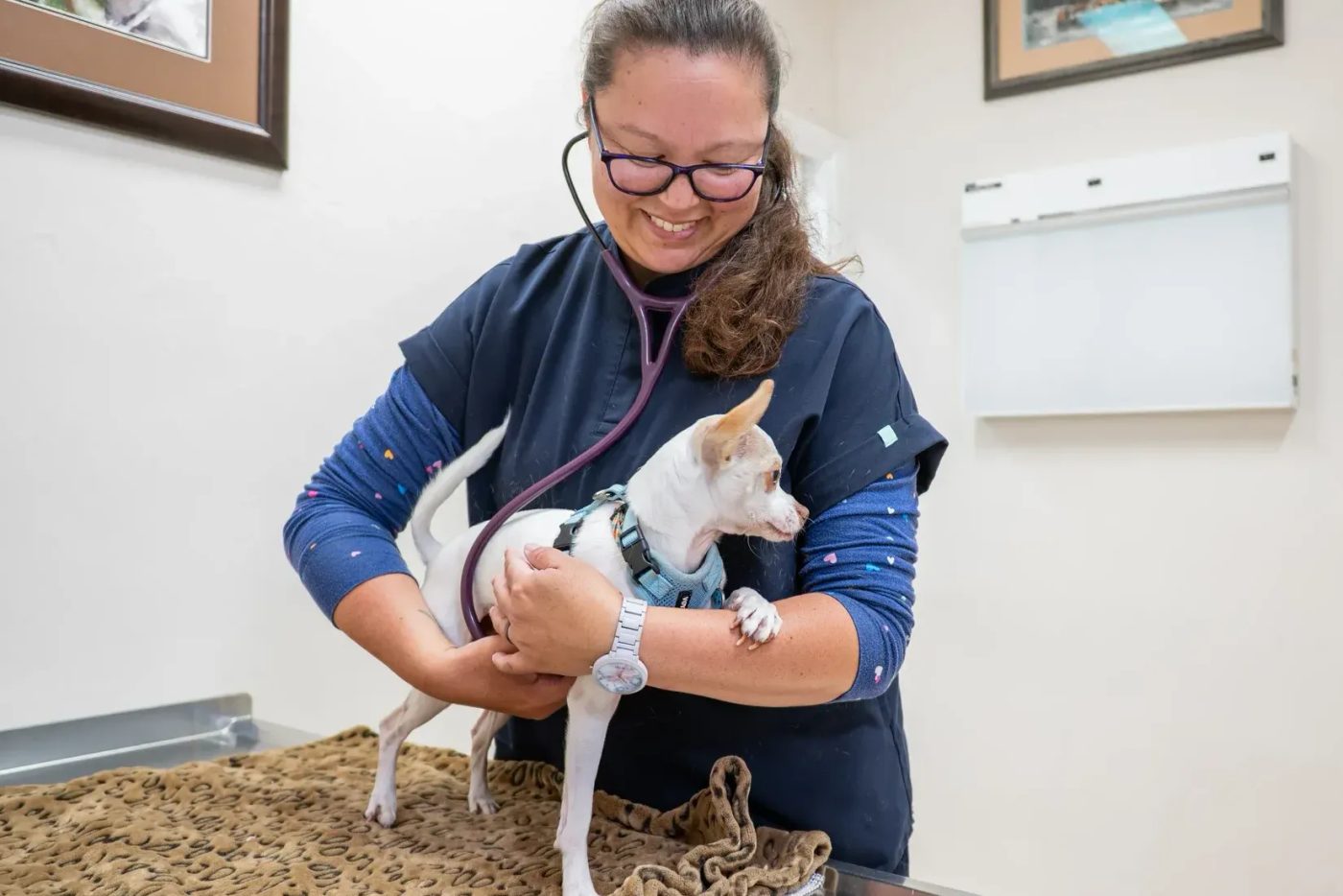
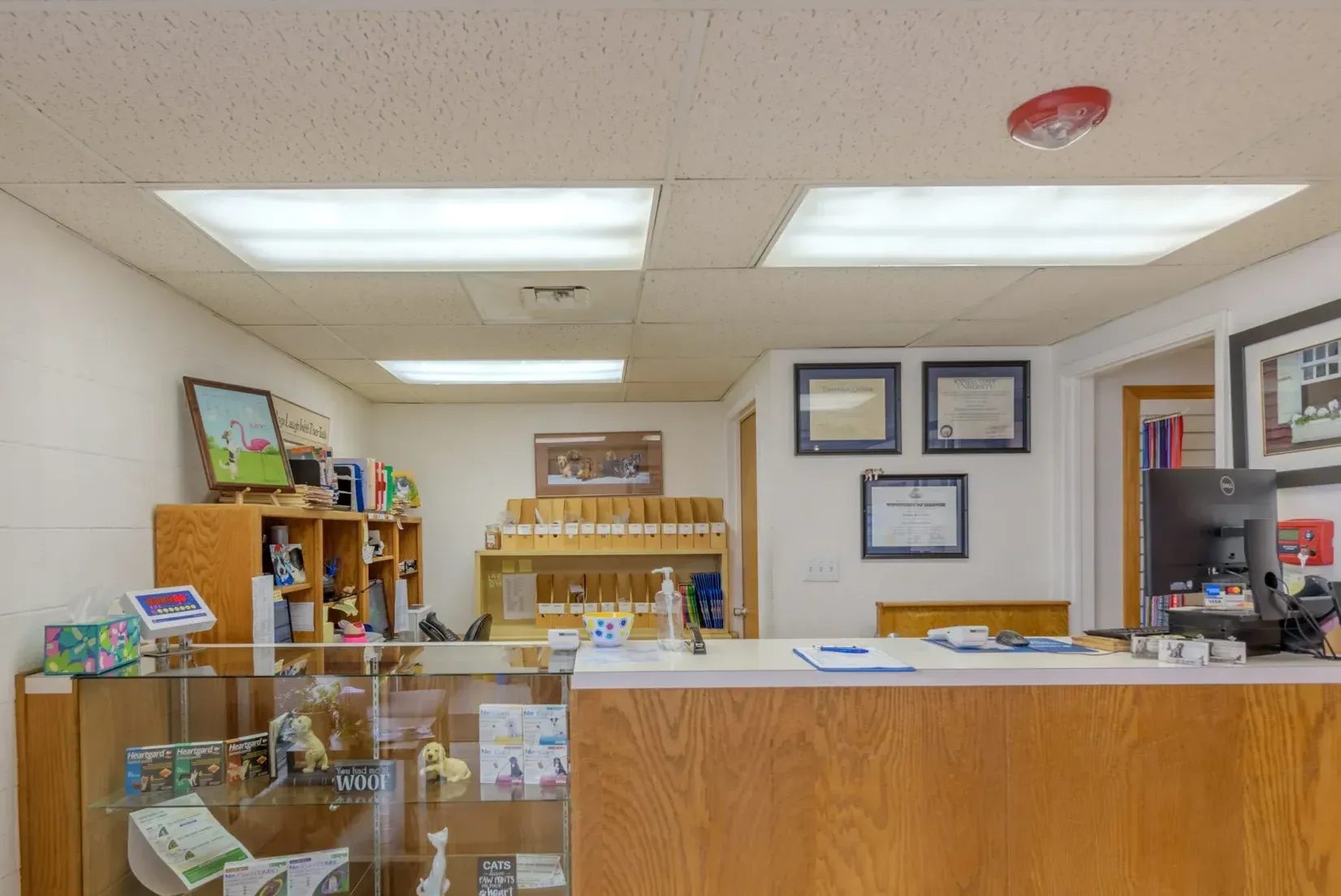
Many clinics, like The Pet Hospital of La Mesa, offer a wide range of services including wellness exams, vaccinations, dental care, and even boarding. However, for after-hours emergencies, you may need a dedicated emergency animal hospital.
Why Choose a Local Vet Clinic? 3 Key Benefits
Local vet clinics offer advantages that larger hospitals may not. Here are three reasons to consider a local practice.
| Benefit | What It Means for You |
|---|---|
| Personalized care | Vets know your pet's history and personality |
| Continuity | Seeing familiar faces who know your pet's history reduces stress |
| Community connection | Local clinics are invested in the neighborhood's well-being |
At The Pet Hospital of La Mesa, we've served La Mesa since 1960, building trust with generations of pet owners. Our team has led since 1999, and we're proud of our 375+ 5-star reviews.
Directions to our veterinarian in La Mesa from Lake Murray
Start at Lake Murray and head to The Pet Hospital of La Mesa at 5336 Jackson Dr, La Mesa, CA 91942.
When to Visit Your Regular Vet for Routine Care
Your regular vet is the best choice for routine and preventive care. It's typically recommended that pets visit their veterinarian once a year for a wellness exam.
A good fit if…
- Annual wellness exams – to catch issues early.
- Vaccinations – to protect against preventable diseases.
- Dental care – to maintain oral health.
- Parasite prevention – for fleas, ticks, and heartworms.
- Minor illnesses – like ear infections or skin issues.
- Nutrition counseling – for weight management or special diets.
Consider another option if…
- After hours – your vet is closed, and it's an emergency.
- Severe symptoms – like difficulty breathing or seizures.
If you're unsure, call your vet. They can advise whether to come in or go to an emergency facility.
Find Urgent Care and Emergency Vet Services Near You
- Call your regular vet first – They may have same-day appointments or can recommend an emergency facility.
- Search for 'emergency vet near me' – Look for 24/7 animal hospitals in your area.
- Check hours – Ensure they're open when you need them.
- Call ahead – Let them know you're coming and get directions.
- Head there immediately – If it's a true emergency, don't wait.
For pets in La Mesa, CA, The Pet Hospital of La Mesa is open Monday–Friday 8 AM–6 PM and Saturday 9 AM–3 PM. We're located at 5336 Jackson Dr, La Mesa, CA 91942. Call us at (619) 469-0138 for guidance.
6 Factors to Consider When Choosing a Veterinary Hospital
Choosing a veterinary hospital is a big decision. Here are six factors to weigh.
A good fit if…
- Location – Convenient to your home or work.
- Services offered – They provide the care your pet needs.
- Staff qualifications – Experienced and compassionate.
- Emergency availability – 24/7 care or clear referral process.
- Cost transparency – They give estimates and explain charges.
- Reviews and reputation – Positive feedback from other pet owners.
Consider another option if…
- Limited services – They can't handle your pet's specific needs.
- Poor communication – You don't feel heard or informed.
Visit the facility, ask questions, and trust your instincts.
What to Expect When You Visit an Emergency Animal Hospital
- Triage – Your pet is assessed based on severity; critical cases are seen first.
- Registration – Provide your pet's history and your contact info.
- Examination – A vet examines your pet and may run diagnostics.
- Treatment plan – You'll receive an estimate and consent forms.
- Communication – The vet updates you on your pet's condition.
- Discharge or hospitalization – You'll get instructions for home care or your pet stays for monitoring.
Wait times vary depending on the number of emergencies. Bring any medications your pet takes and be prepared to make decisions quickly.
Sources
Frequently asked questions
Is an animal clinic cheaper than a vet?
Generally, a regular vet clinic is less expensive than an emergency animal hospital. Routine exams and preventive care cost less than emergency visits, which often include after-hours surcharges and advanced diagnostics. Ask for estimates to compare.
What is the hardest animal to treat?
In veterinary medicine, exotic pets like reptiles, birds, and small mammals can be challenging due to their unique anatomy and specialized care needs. However, any animal can present difficulties depending on the condition. Your vet is trained to handle a variety of species.
What is an animal hospital called?
An animal hospital is also referred to as a veterinary hospital or emergency animal hospital. These facilities provide comprehensive care, including emergency services, surgery, and intensive care, often available 24/7.
What's the difference between a vet and a vet hospital?
A 'vet' typically refers to a veterinary clinic or practice that offers routine and preventive care. A vet hospital is a larger facility equipped for emergencies, surgery, and critical care, often with extended hours. Both are staffed by veterinarians.
What do vets do if you can't pay?
Many vets will discuss payment options, such as payment plans or third-party financing. Some may offer reduced-cost services or refer you to low-cost clinics. It's best to communicate openly about your financial situation. For more, see [[page:what-to-do-if-you-can-t-afford-a-vet-in-la-mesa|what to do if you can't afford a vet]].
Also asked as
- When should I take my pet to an emergency vet?
- What's the difference between a vet clinic and an animal hospital?
- Is an animal hospital more expensive than a regular vet?