
Questions
Can a Vet Refuse to Treat My Aggressive Dog?
Yes, a vet can legally refuse to treat your aggressive dog if they believe the risk of injury to staff or others is too high. However, many clinics, including ours, will work with you using safety protocols. Contact us to discuss your dog's needs.
When Can a Vet Legally Refuse to Treat an Aggressive Dog?
Veterinarians have the legal right to refuse treatment to any animal that poses a safety risk to staff, other pets, or the animal itself. This is not a matter of convenience—it is a matter of workplace safety and professional ethics. Below are the common reasons a vet may decline to treat an aggressive dog.
| Reason for Refusal | What It Means | Example |
|---|---|---|
| Unmanageable aggression | The dog shows severe biting, lunging, or snarling that cannot be safely handled with standard restraint. | A dog that has bitten multiple staff members during prior visits. |
| Lack of proper restraint tools | The owner does not have a muzzle or other safety equipment, and the clinic lacks the means to safely control the dog. | A large, strong dog that cannot be muzzled without sedation. |
| Prior history of bites | The dog has a documented record of biting during veterinary care, increasing liability risk. | A bite incident from a previous visit that required medical treatment for a staff member. |
| Owner refusal to follow safety protocols | The owner declines to use a muzzle, sedation, or other recommended precautions. | An owner who insists the dog is friendly but the dog shows clear aggression signs. |
| Inadequate facility or staffing | The clinic lacks the equipment, space, or trained personnel to handle the aggressive behavior safely. | A small clinic without a separate isolation room or sedation capabilities. |
If your dog has a history of aggression, it is wise to call ahead and discuss the situation. Many clinics, including ours, will work with you to find a safe solution—but we cannot compromise the safety of our team or other pets. For more on your options, see our guide on what to do if you can't afford a vet.
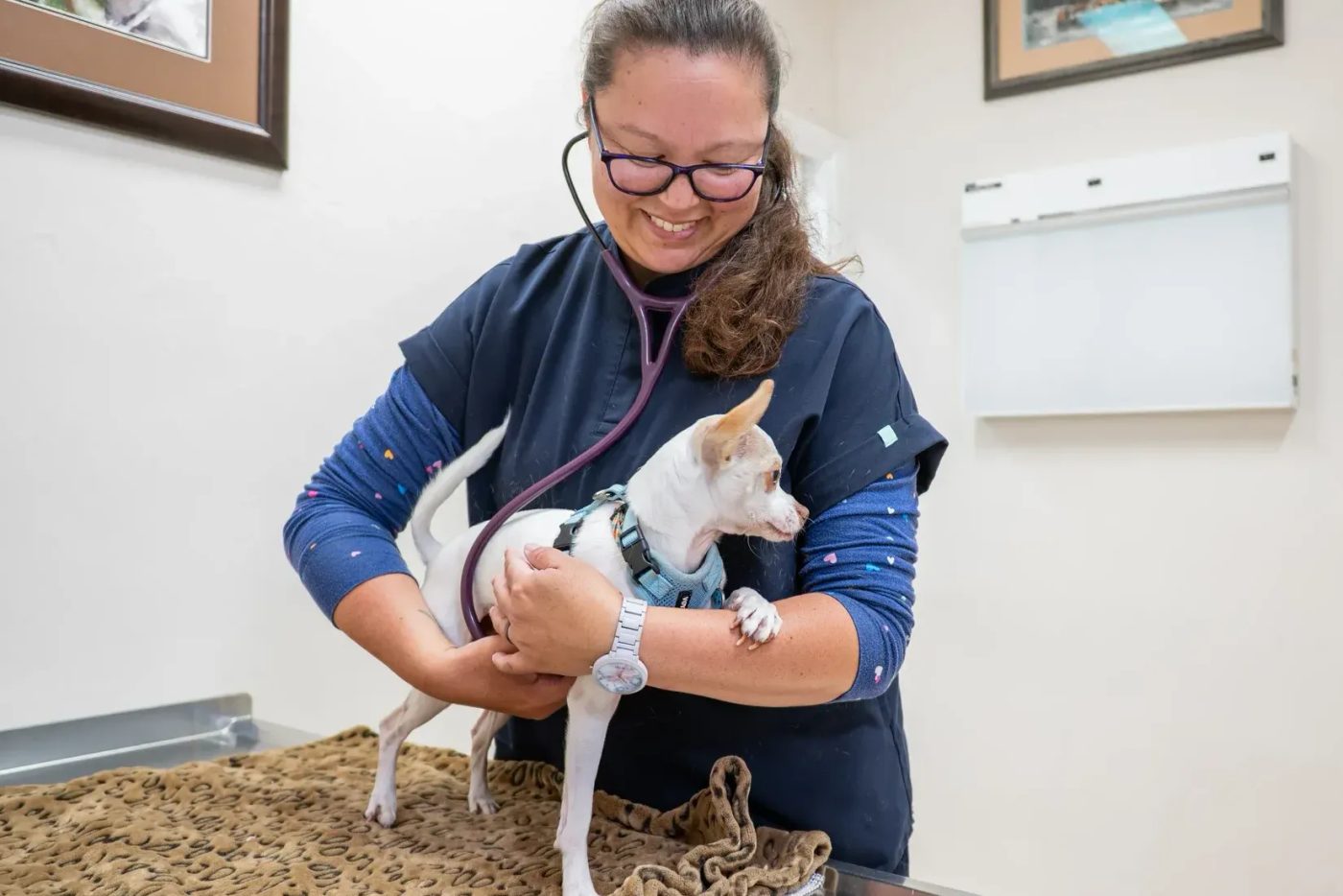



What to Do If Your Vet Refuses to Treat Your Aggressive Dog
If a veterinarian has refused to treat your aggressive dog, do not panic. There are practical steps you can take to get your pet the care it needs while keeping everyone safe.
- Stay calm and ask why. Politely ask the staff for the specific reason for refusal. Understanding the exact issue—whether it is safety, equipment, or policy—helps you address it.
- Request a referral. Ask your vet if they can recommend a clinic that specializes in handling aggressive dogs or has sedation options. Many vets will provide a referral to a colleague.
- Consider sedation or muzzling. Ask about oral sedation you can give at home before the visit, or bring a well-fitted muzzle. Some clinics accept pre-sedated dogs if you follow their protocol.
- Look for a fear-free or low-stress clinic. Search for a veterinarian in La Mesa who uses fear-free handling techniques. These clinics are often better equipped for anxious or aggressive pets.
- Call multiple clinics. Be upfront about your dog's behavior. Many clinics will accept aggressive dogs if you agree to their safety measures. Ask about their policy before booking.
- Prepare for the next visit. Once you find a willing vet, follow their preparation instructions exactly. This builds trust and increases the chance of ongoing care.
If cost is a concern, explore options like vet payment plans in La Mesa to afford necessary care.
How to Prepare an Aggressive Dog for a Vet Visit
A good fit if…
- Your dog shows mild to moderate aggression (growling, snapping) but not severe biting.
- You are willing to use a muzzle and practice handling at home.
- Your dog responds well to treats, praise, or desensitization training.
Consider another option if…
- Your dog has a history of severe bites requiring medical attention.
- You are unable to safely muzzle or restrain your dog.
- Your dog becomes extremely stressed or panicked in new environments.
To decide, start with a phone call to your vet. Describe your dog's behavior honestly. Many clinics, including ours, can recommend a preparation plan. For step-by-step guidance, watch our video on preparing your dog for a vet visit (coming soon). You can also read about how to make vet visits less stressful for more tips.
What Happens If No Vet Will Treat Your Aggressive Dog?
If you cannot find a veterinarian willing to treat your aggressive dog, the health risks can be serious. Untreated conditions—such as infections, dental disease, or chronic pain—can worsen and lead to emergency situations. Preventive care like vaccinations and parasite control also becomes impossible, leaving your dog vulnerable to preventable diseases.
| Factor | Why It Matters | Typical Range |
|---|---|---|
| Emergency vet visit | If your dog needs urgent care but no regular vet will see it, an emergency clinic may accept it—at a higher cost. | Varies; ask for a quote |
| Sedation or anesthesia | Many clinics require sedation for aggressive dogs, adding to the visit cost. | Varies; depends on weight and health |
| Specialized behavior consult | A veterinary behaviorist can help manage aggression but charges more than a general practice. | Varies; typically higher than a standard visit |
| Mobile vet services | Some mobile vets will treat dogs in your home, reducing stress but often costing more. | Varies; ask for a quote |
If you are struggling to find care, contact local humane societies or explore financial assistance options. The ASPCA also offers resources for pet owners facing behavior challenges.
For details on services and visits, see the main page about veterinarian la mesa.
Directions to our veterinarian in La Mesa from Helix High School
Start at Helix High School and head to The Pet Hospital of La Mesa at 5336 Jackson Dr, La Mesa, CA 91942.
Sources
Frequently asked questions
Can a vet refuse to treat my dog if it has bitten someone?
Yes, a vet can refuse if they believe the risk of injury is too high. However, many vets will still see the dog with a muzzle or sedation, especially if you're honest about the history. It's best to call ahead and discuss your dog's behavior.
What should I do if my dog is aggressive at the vet?
Stay calm and follow the vet's instructions. They may ask you to muzzle your dog or give medication. If the vet feels unsafe, they may stop the exam and reschedule with additional precautions. Always be upfront about your dog's aggression to avoid surprises.
Are there vets that specialize in aggressive dogs?
Yes, some vets and clinics specialize in handling fearful or aggressive pets. Look for fear-free certified practices or ask for a referral from your current vet. These clinics use techniques to reduce stress and may be more willing to work with your dog.
Can I be refused service at an emergency vet for an aggressive dog?
In an emergency, vets may still refuse if the risk to staff is extreme, but they often will stabilize the dog if possible. It's important to call ahead and let them know about the aggression so they can prepare. If your dog is aggressive, consider muzzle training and having a plan in place.
Also asked as
- What are my rights if a vet refuses my aggressive dog?
- How do I find a vet that will treat my aggressive dog?
- Can a vet turn away a dog for biting?